
Neighbourhood Guide 2026: Fort Pienc
Discover Fort Pienc, one of Eixample’s most practical and well-connected neighbourhoods. With its mix of traditional architecture, local shops, cultural venues, green spaces and excellent transport links, it offers a residential lifestyle close to the centre while remaining less touristy than many other central areas of Barcelona.
A brief history
Origins of the neighbourhood:
The name Fort Pienc is linked to an 18th-century military fortification known as Fuerte Pío or Fort Pio. Although the fort disappeared during the 19th century, its name remained associated with this part of Barcelona.
Expansion of the Eixample:
As the city grew during the second half of the 19th century, the area was gradually incorporated into the new Eixample district. The arrival of the railway and the development of Estació del Nord helped transform the surrounding area and connect it with the rest of Barcelona.
Residential and cultural development:
Throughout the 20th century, Fort Pienc became established as a residential and commercial neighbourhood. The later redevelopment of former railway land created new green spaces, housing and public facilities. Today, the area combines the urban structure of the Eixample with local shops, everyday services and some of the city’s most important cultural venues.
Key facts and connectivity
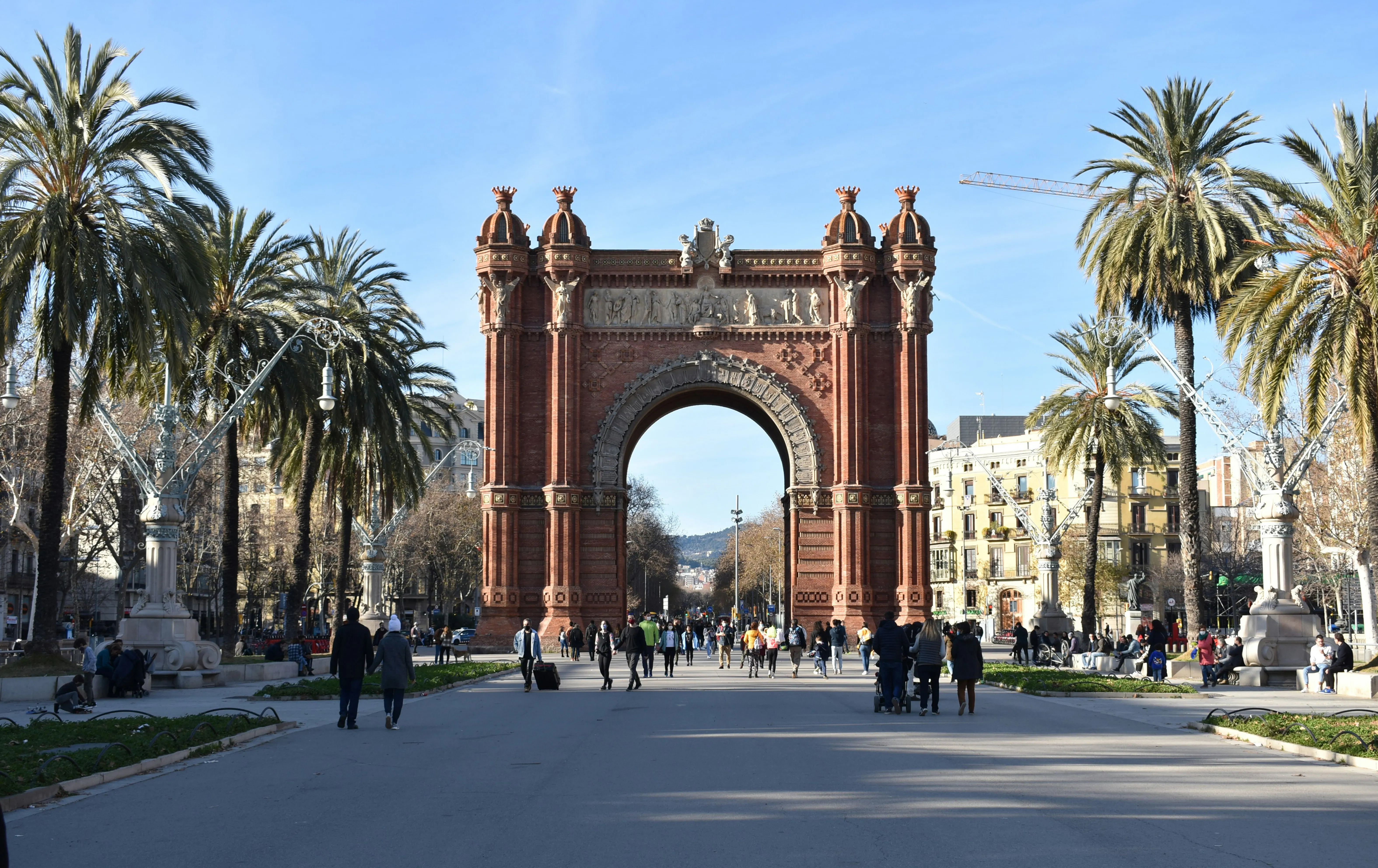
Fort Pienc is one of the six official neighbourhoods that make up the Eixample district. It occupies a strategic position close to Arc de Triomf, Glòries, the Sagrada Família and Parc de la Ciutadella.
Residential character:
Living in Fort Pienc means being close to the city centre while enjoying a primarily residential environment. It is a practical area for people who value good transport connections, convenient everyday services and easy access to different parts of Barcelona.
Location:
From the neighbourhood, residents can easily reach Dreta de l’Eixample, El Born, Glòries, Poblenou and the area surrounding the Sagrada Família.
Getting around on foot and by bicycle:
Passeig de Sant Joan is one of the neighbourhood’s main urban routes, with wide pavements, cycle lanes, terraces and public seating areas. Arc de Triomf, Parc de l’Estació del Nord and Parc de la Ciutadella are all within easy reach from different parts of the neighbourhood.
Transport connections:
Metro: Lines L1 and L2 connect Fort Pienc and its surrounding area with the rest of the city. Depending on the exact location of the property, the nearest stations may include Arc de Triomf, Marina and Glòries on the L1, or Monumental on the L2.
Train: Arc de Triomf station provides Rodalies commuter rail services and a direct connection to Metro line L1.
Buses: Various urban bus routes run along main roads such as Gran Via de les Corts Catalanes, Passeig de Sant Joan and Carrer de la Marina.
Estació del Nord, located within the neighbourhood, also offers intercity bus services.
Atmosphere and lifestyle
Architecture and housing:
The local property market includes traditional Eixample buildings, residential blocks constructed during different periods of the 20th century and some more contemporary developments towards Glòries.
Some older buildings retain original features such as high ceilings, balconies, hydraulic floor tiles or interior galleries. However, property characteristics vary considerably from one building to another. Buyers should therefore check the orientation, natural light, accessibility, availability of a lift and the overall condition of the building.
Passeig de Sant Joan:
Passeig de Sant Joan is one of the area’s most appreciated spaces, thanks to its terraces, green areas, cycle lanes and children’s play areas. It connects Fort Pienc with Arc de Triomf and other parts of the Eixample, while adding a more open and relaxed feel to daily life in the neighbourhood.
Culture and local life:
Fort Pienc is home to major cultural venues such as L’Auditori, the Teatre Nacional de Catalunya and the Museu de la Música. The neighbourhood also offers a broad range of local shops and restaurants, with a particularly visible presence of Asian restaurants and specialist businesses in certain streets.
Daytime and evening life:
The neighbourhood makes it easy to combine shopping at the local market, cafés and neighbourhood restaurants, walks around Arc de Triomf or Parc de l’Estació del Nord, and cultural activities at L’Auditori or the Teatre Nacional.
Although there are bars and restaurants, the evening atmosphere is generally more resident-focused than in areas such as El Born or the Gothic Quarter. The actual level of noise will always depend on the street, floor level and proximity to main roads or hospitality venues.

Services
Fort Pienc offers a very complete range of everyday services.
Mercat del Fort Pienc, supermarkets, pharmacies, bakeries and local shops cover most daily needs. The neighbourhood also has a library, civic centre, schools, sports facilities and medical services either within the area itself or nearby.
Parc de l’Estació del Nord, Passeig de Sant Joan and the proximity of Parc de la Ciutadella provide spaces for walking, exercising or spending time outdoors.
This combination of location, transport connections, services and residential atmosphere makes Fort Pienc a practical alternative that remains less internationally known than other parts of the Eixample.
Whether you are looking for the perfect neighbourhood to call home or just need some trusted, expert guidance, we are here to help. Get in touch with our team today to see how MySpot Barcelona can guide your next move.
To compare different lifestyles across the city, explore our guides to Eixample Dreta, Grácia, and El Gótico, or visit our blog for more Barcelona neighbourhood insights.
Disclaimer: The information provided in this article is for general guidance and orientational purposes only. We cannot guarantee that all details remain fully accurate or up-to-date, as local regulations and market conditions are subject to constant change. This content does not constitute formal legal, financial, or tax advice. For current and specific information, we recommend consulting a professional advisor. We are happy to put you in touch with a trusted local expert in Spain.
Articles
The Renovation Premium in Barcelona: What Adds Real Value?
Is a renovated apartment in Barcelona worth paying more for? Learn what genuinely adds property value, what buyers should check and when renovating before selling makes sense.
Fotocasa Reports Barcelona Rents Down 22.3%: But Is Renting Really Getting Cheaper?
Barcelona rent prices fell 22.3% year-on-year in Fotocasa’s July 2026 index, but Idealista shows a different picture. We explain what is really happening in the Barcelona rental market.
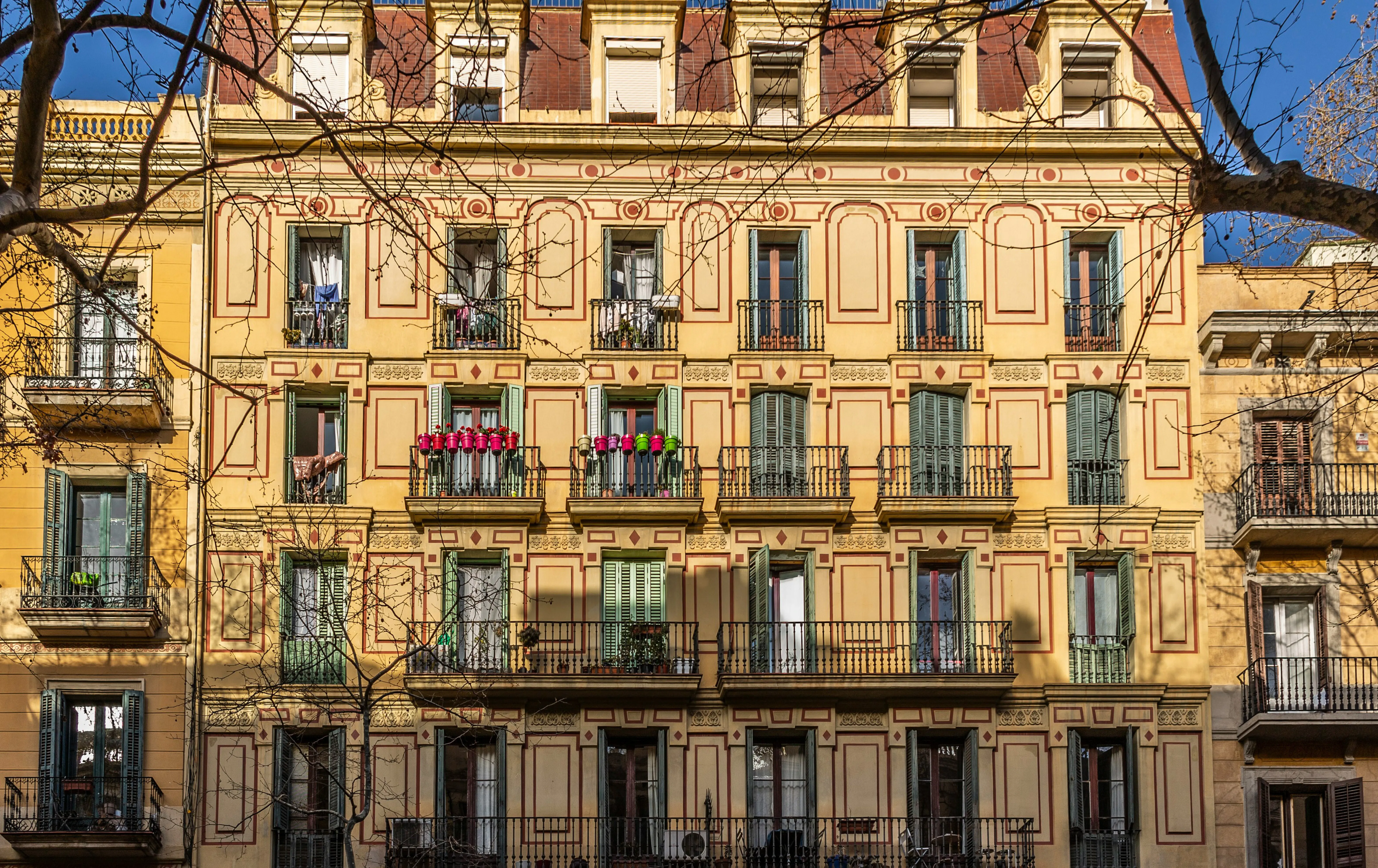
Beyond the Floor Number: A Barcelona Property Guide
Buying an apartment in Barcelona? Discover what bajo, entresuelo, principal and ático mean, and how floor level affects light, noise, accessibility and property value.
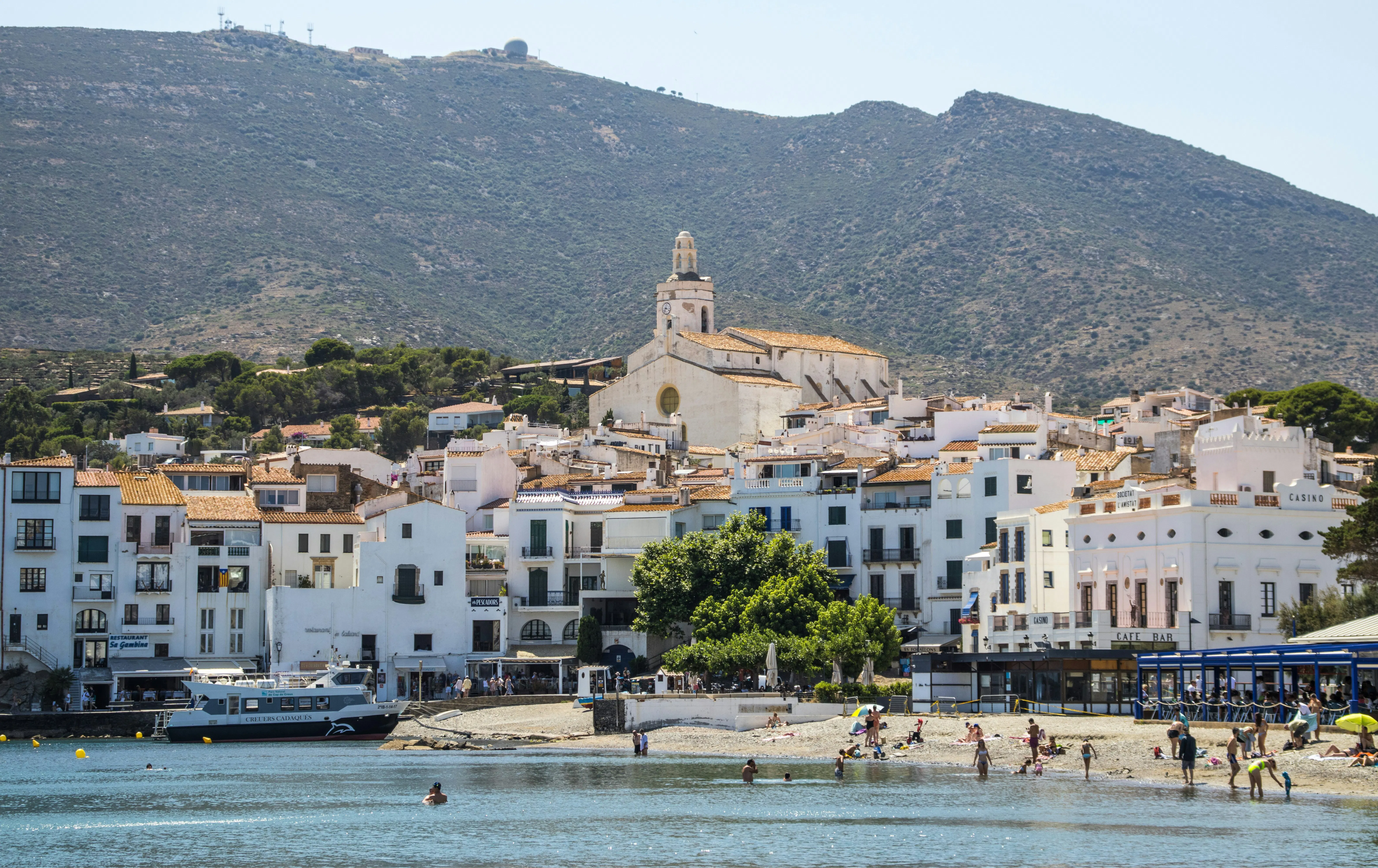
Buying Property in Catalonia? Why the New Rent-Control Map Matters
Catalonia is proposing changes to its rent-control map, with 53 municipalities potentially entering and 22 leaving the system. We explain what this could mean for property buyers and investors.

How Fast Do Homes Sell in Barcelona? 29% Sell Within the First Month
29% of homes sold through Idealista in Barcelona in Q2 2026 found a buyer within one month. We explain what this means for buyers and how to move quickly without skipping due diligence.
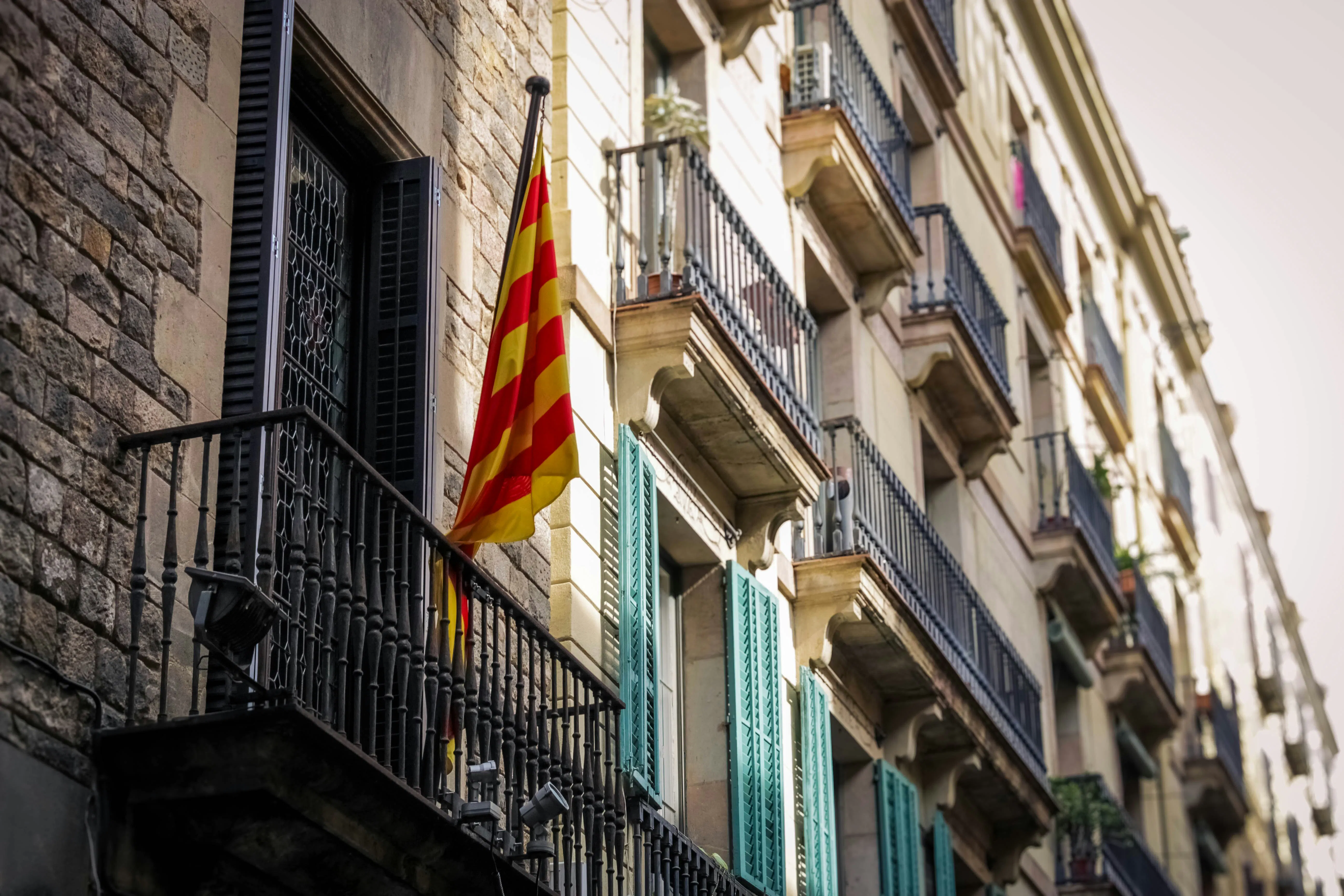
Foreign Buyer Mortgages Rise 24.2% in Catalonia
Foreign buyer mortgages in Catalonia rose 24.2% in 2025. Find out what international property buyers should know before financing a purchase.

Why International Buyers in Spain Are Choosing Larger Resale Homes
Almost 36% of foreign buyers in Spain purchased homes over 100 m² in 2025, while 78.5% chose resale properties. Discover what buyers should check before purchasing.

Fewer Sales, Higher Prices: What Is Happening to Spain’s Property Market in 2026?
Spain’s property market is expected to see 7.3% fewer sales in 2026 while prices rise 12%. We explain why and what it means for buyers in Barcelona and Catalonia.

What Happens If Your Arras Contract Expires Before You Buy?
What happens if your arras contract expires before completion in Spain? Learn about extensions, penalties, mortgage delays and what buyers should check before signing.

Is 2026 a Good Time to Buy Property in Spain?
Is 2026 a good time to buy property in Spain or should you wait? We examine prices, mortgage rates, limited supply and what this means for buyers in Barcelona and Catalonia.

Barcelona, Girona or Tarragona? Where Foreign Buyers Are Choosing to Buy in Catalonia
Foreign buyers completed more than 17,000 property purchases in Catalonia in 2025, but demand varies significantly between Barcelona, Girona and Tarragona. This guide compares the three markets, looking at buyer profiles, lifestyle, value, connectivity and the types of properties international buyers are choosing.

Understanding the Data: Spain's Mortgage Market Reaches Historical March Peak
A factual breakdown of the latest official mortgage data from the INE. Explore the metrics regarding transaction volumes, interest rates, loan types, and regional growth.
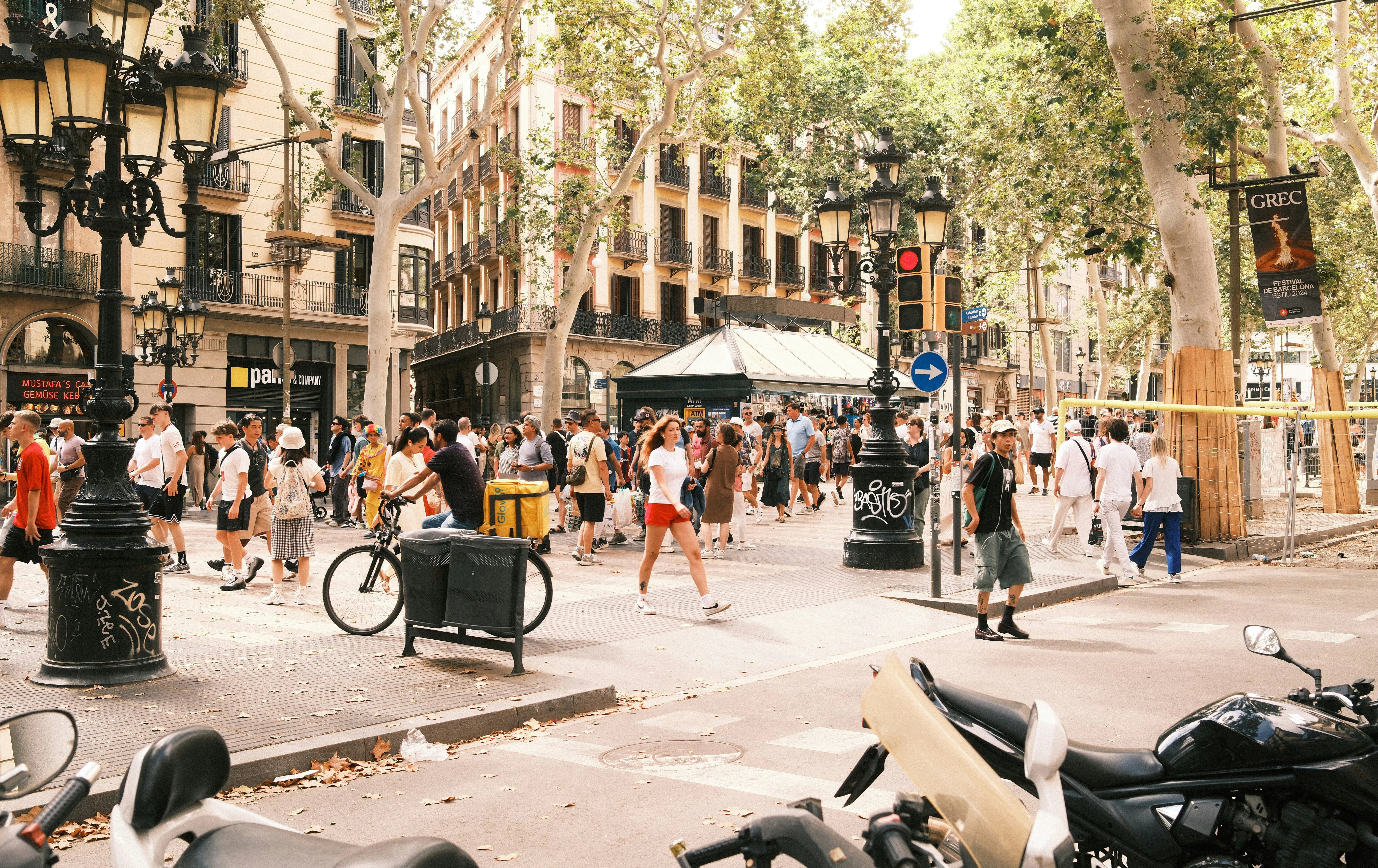
The Road to 2028: Inside Barcelona's Plan to Phase Out 10,000 Tourist Apartments
Trace the regulatory evolution of Barcelona's tourist flat (HUT) sector from the 2014 freeze to the proposed 2028 total phase-out, alongside the real estate impact and sector pushback.
Neighbourhood Guide 2026: Fort Pienc
Discover Fort Pienc, one of Eixample’s most practical and well-connected neighbourhoods. With its mix of traditional architecture, local shops, cultural venues, green spaces and excellent transport links, it offers a residential lifestyle close to the centre while remaining less touristy than many other central areas of Barcelona.

Neighbourhood Guide 2026: El Gótico
Where Barcelona’s Historic Soul Meets Contemporary City Life
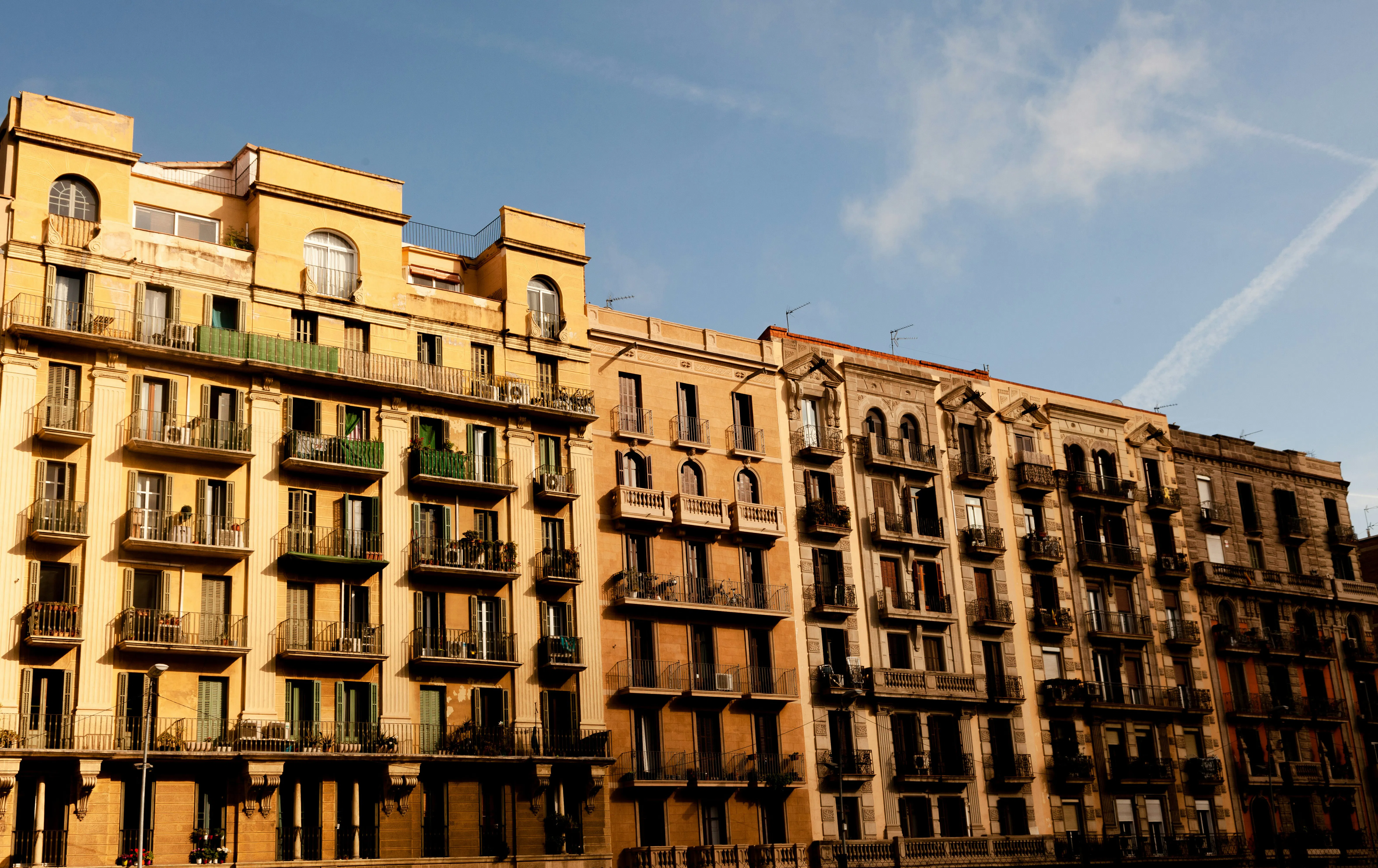
What €500,000 Buys You in Barcelona Compared to London, New York and Hong Kong
Discover what €500,000 can buy in Barcelona compared to London, New York, Hong Kong and other global property markets, and what this means for buyers in 2026.

Neighbourhood Guide 2026: El Coll
Where Hillside Nature Meets Urban Ease
Neighbourhood guide 2026: Poblenou
A neighbourhood characterised by technological innovation and a Mediterranean lifestyle, just steps from the sea.

Mapping Barcelona’s €3,850 Price Spread: Local Value Pockets in a Record Market
With Barcelona's city average hitting an all-time high of €5,243/m², navigating the property market requires hyper-local tracking. See how all ten districts break down right now.

Barcelona Rental Updates 2026: Mastering the IRAV Index
Navigating the established legal reality of the IRAV index. Learn how this housing-specific standard replaces the IPC and how to protect property yield legally.

Buying Property in Spain as a Non-Resident | 2026 Guide
Expert guide to buying a home in Spain in 2026. Learn about NIE, 12% taxes, non-resident mortgages, and legal steps with MySpot Barcelona.

Barcelona Sales Stock 2026: Why Supply is Rising in a "Tensioned" Market
While Spain's national housing supply drops 10%, Barcelona sees a 6% increase in stock. We analyze why "price exhaustion" is creating a new strategic window for buyers and investors in 2026.

The Psychology of the First 90 Seconds: How to Prep Your Barcelona Home for Buyers
First impressions are everything. Discover the staging techniques and presentation shifts we use to captivate buyers within the first moments of a viewing.

The 2026 Guide to Rental Contracts in Catalonia: 11 Essential Clauses for Owners and Tenants
Navigating the 2026 rental market in Barcelona requires technical precision. Learn the 11 essential clauses every landlord and tenant needs for a secure agreement.

Barcelona Real Estate 2026: How 203 International Tech Hubs are Redefining Property Investment
Catalonia now hosts 203 international tech hubs driving €4.1B in impact. Discover why Barcelona real estate is the top choice for investors and tech expats in 2026.

Spain’s Youth Rental Bonus Reaches Less Than 1% of Young Renters
Why does the 2026 Youth Rental Bonus reach less than 1% of young renters in Spain? We analyze the structural failures and the real impact on the housing market.

Good reasons for buying property in Catalonia and Barcelona
People have many reasons to stay in Barcelona and Catalonia. Here are some of them.

The importance of an exclusive contract
Why is a sole representation contract important, for the agency and for the owner? A sole representation (exclusive) sales contract is highly requested by agencies, but often rejected and misunderstood by owners. We explain why this approach is crucial for a successful sales process and what benefits it holds for the owners.

What is the "Golden Visa" and how is it obtained?
With the “Golden Visa” you can obtain Spanish residency by purchasing a property. We guide you through the process step by step.

Neighbourhood Guide: Eixample Dreta
Where Modern Elegance Meets History

What does a Real Estate Personal Shopper do?
When buying real estate the only one you can trust is your gut. Or is there someone else?

New Housing Purchase Limits in Catalonia: A 2026 Guide for Buyers
Explore the 2026 Catalan housing law changes. Learn about purchase limits in 271 stressed zones, the "Large Holder" veto, and exemptions for private buyers in Barcelona.

MySpot Barcelona Joins Locallista: Strengthening Our Community Ties
MySpot Barcelona is proud to announce our official partnership with Locallista, the premier vetted directory for international residents in Barcelona. We’re joining a community of trusted professionals to provide more transparency and support for expats navigating the Barcelona property market.
Neighbourhood Guide: Gràcia
Where a Bohemian Village Spirit Meets Urban Life

Neighborhood Guide: Sant Antoni
Where Historic Charm Meets Modern Flair

Neighbourhood Guide: Barceloneta
Where a Vibrant Tide Meets Tradition

What Is the Beckham Law in Spain and How It Affects Buying Property in Barcelona
Barcelona attracts international professionals for its lifestyle and business opportunities. The Beckham Law is a key factor, influencing not only taxes but also housing and property decisions when relocating to Spain.

Barcelona Rental Market 2026: Why Prices Fell 3.7% While Spain Hit Historic Highs
Rental prices in Spain hit a record €15/m2 in Q1 2026, but Barcelona saw a 3.7% decrease. Discover what this means for landlords, tenants, and investors in Catalonia.
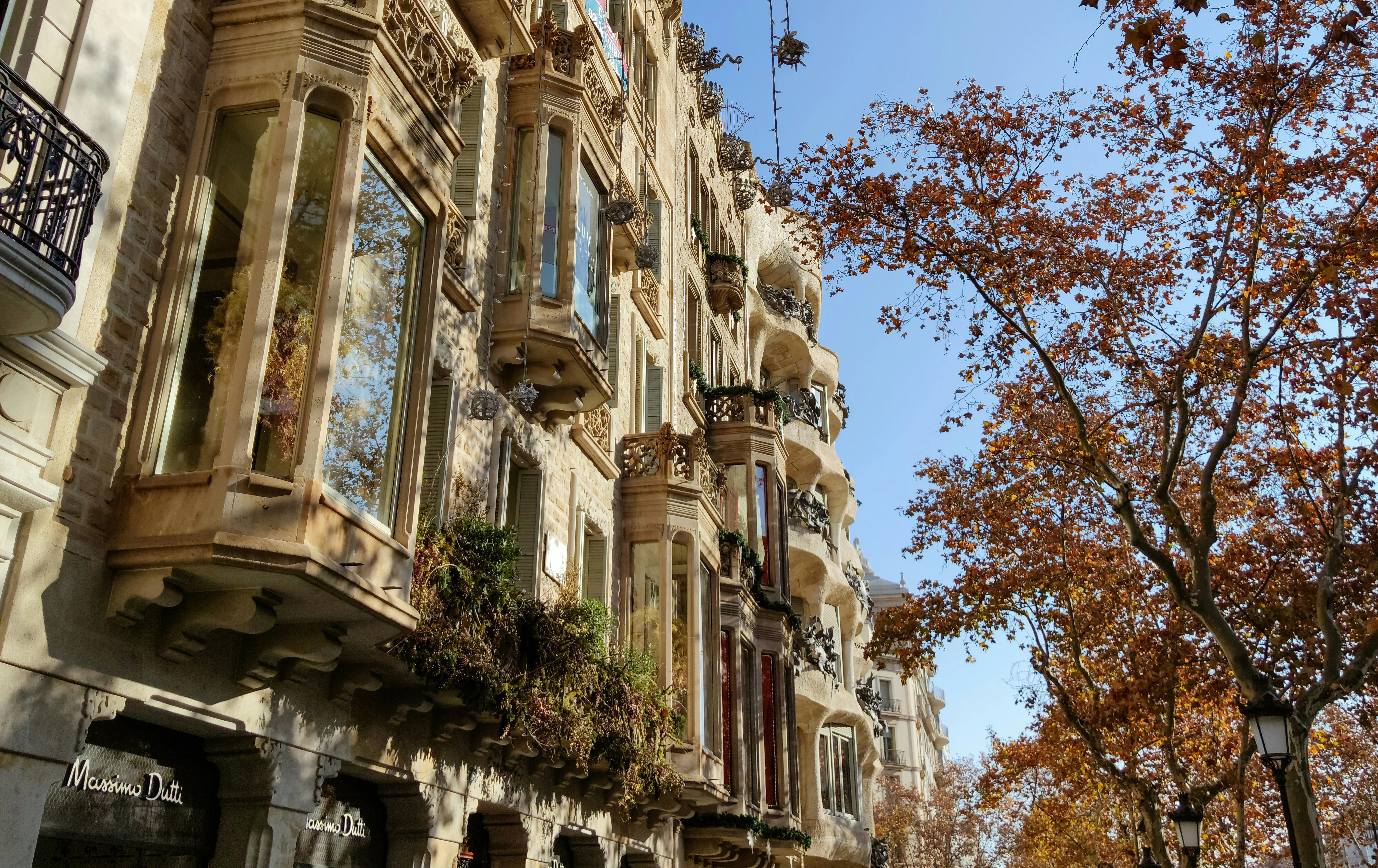
Spain Housing Market 2026: Property Prices Expected to Rise Between 6% and 9%
Buying Property in Spain in 2026: Demand and Limited Supply Push the Spanish Real Estate Market Up

5 Reasons to Trust a Real Estate MLS in Your Next Transaction
Searching for or selling a property can be a challenging process full of uncertainty. However, one key tool is transforming the real estate market in Spain: the MLS (Multiple Listing Service). In this article, we will explore the 5 reasons to trust a real estate MLS in your next transaction and how this network can make a difference.

A Guide to Fees and Taxes for House Buyers in Catalonia
Aspiring house buyers in Catalonia should be well-informed about the fees and taxes involved in the property purchase process. The Property Transfer Tax (ITP) applies to second-hand properties, while the Value Added Tax (IVA) is applicable to newly constructed or extensively renovated properties. Notary and registry fees, along with legal and administrative expenses, are crucial components of the overall cost. Additionally, buyers should be aware of the potential Stamp Duty for mortgage-related documents.

Step by step process of buying property in Spain
Buying a property in Spain can be a straightforward process if you follow the necessary steps.

Guide to Fees and Taxes for House Sellers in Catalonia
Let's explore the key charges that house sellers should consider when selling a property in Barcelona or Catalonia

Our Valuation Methodology: Expert valoration for informed decisions.
Understanding the real market value of your property. To know the real market value of a home, it is essential to know how to calculate that figure before putting it up for sale. This implies having a detailed study of the market to make the correct decisions and achieve the objectives sought by the seller.

To new beginnings
Here we are. Here we start.

The rental price index in Catalonia 2024
The rental price index came into force in Catalonia on March 13, 2024. What does this mean for tenants and landlords? We explain the regulations and effects of the rent index on tenants and landlords.