
Do Foreigners Pay More for Property in Spain? What the 2025 Data Shows
Foreign buyers paid around 34% more per m² than Spanish buyers in 2025. Why the gap exists, and how to avoid overpaying in Barcelona.
If you are buying in Spain from abroad, there is often a quiet question in the background: am I paying more than a local would?
The 2025 data from Spain's Registrars and Notaries gives a clear first answer. In the first half of 2025, foreign buyers paid an average of €2,417 per m². Spanish buyers paid €1,809 per m². That is around 34% more.
The reason behind that gap is more interesting than it first looks. It also says a lot about how to avoid overpaying when you buy in Barcelona.
How much more do foreign buyers pay in Spain?
On average, about a third more per square metre. These are notary figures, so they reflect prices actually paid, not asking prices on property portals. The average price paid by foreign buyers also rose 7.4% compared with a year earlier.
The bigger gap is among foreign buyers themselves. Foreigners who live in Spain paid an average of €1,912 per m². Non-residents paid €3,126 per m², roughly 63% more.
Is there a "foreigner premium" in Spanish property?
Largely, no. The report concludes that what foreigners pay is mainly determined by general price levels in the areas where they buy. Foreign demand is not the deciding factor, although areas with many non-resident buyers do show some influence.
In other words, foreign buyers concentrate in expensive places. The highest prices paid by foreigners were in the Balearic Islands (€4,896 per m²), the Community of Madrid (€3,787), the Canary Islands (€2,890) and Catalonia (€2,792).
Income plays a role too. The nationalities paying the most per m² include Swiss (€3,457), Swedish (€3,421) and Norwegian (€3,292) buyers, all from countries with high average incomes.
Why do non-residents pay more than foreign residents?
Because they are often buying something different. A foreign resident usually buys where they live and work, on a budget shaped by local salaries. Many non-residents are buying a second home, often in coastal or tourist areas where prices are higher.
The type of home differs as well. The report finds that whether a buyer lives in Spain is one of the biggest factors behind differences in the size and type of property foreigners buy. For more on that, see our article on why international buyers are choosing larger, resale homes [link].
Can an individual foreign buyer still overpay?
Yes. Averages describe the market, not your purchase. A buyer from abroad often has less time and fewer reference points than someone who has lived in the city for years.
That matters in Barcelona, where value can change from one street to the next, and even within the same building. Floor, lift, natural light, layout, the condition of the building and the community's finances all affect what a flat is really worth. An asking price is not the same as a value.
The most common risks are practical, not dramatic: a short viewing trip, relying on portal prices, unfamiliarity with the neighbourhood, and pressure to decide quickly.
How can you check whether a Barcelona asking price is fair?
A few checks make a real difference before any offer:
- Compare like with like. Use homes in the same neighbourhood with a similar building type, floor, lift and condition, not city-wide averages.
- Look at what sold, not only what is listed. Portal prices are asking prices. Recent sale prices tell you more.
- Check time on the market. A home that has been online for months at the same price often has more room for negotiation.
- Price in the building. Community fees, upcoming special payments (derramas) and the building's ITE inspection can change the real cost of a flat.
- Budget the full purchase. Transfer tax, notary and registry costs come on top of the price, so your offer should reflect your total budget.
Paying the right price, not the "local" price
The data does not show Spain charging foreigners more for the same home. It shows foreign buyers choosing more expensive regions and, often, different kinds of property.
The real risk is individual: paying too much for one specific home because the local reference points are missing. Buyers who negotiate from real comparables, rather than from the asking price, are the ones who pay what a property is actually worth.
MySpot Buyers is the buyer's agent service of MySpot Barcelona. Through myspotbuyers.com, we support buyers through the entire search and purchase process in Barcelona, from comparing prices to negotiating the offer. You can also download our free buyer's guide.
Articles
Do Foreigners Pay More for Property in Spain? What the 2025 Data Shows
Foreign buyers paid around 34% more per m² than Spanish buyers in 2025. Why the gap exists, and how to avoid overpaying in Barcelona.

Barcelona Rental Updates 2026: Mastering the IRAV Index
Navigating the established legal reality of the IRAV index. Learn how this housing-specific standard replaces the IPC and how to protect property yield legally.
Can Americans Buy Property in Spain? What the 2025 Data Shows
Americans paid more per m² than any other nationality in Spain in 2025. What US buyers purchase, how they finance it, and what to know in Barcelona.

Why Some Barcelona Homes Don’t Sell, Even in a Strong Market
Why do some Barcelona homes fail to sell even in a strong market? We explain the most common reasons, from pricing and presentation to access and seller readiness.
The Renovation Premium in Barcelona: What Adds Real Value?
Is a renovated apartment in Barcelona worth paying more for? Learn what genuinely adds property value, what buyers should check and when renovating before selling makes sense.

Foreign Buyers in Barcelona vs Alicante and Málaga: Why Barcelona Is Different
In Alicante, 43% of homes are bought by foreigners. In Barcelona, 14%. What a market driven by local buyers means for international buyers and sellers.

How Fast Do Homes Sell in Barcelona? 29% Sell Within the First Month
29% of homes sold through Idealista in Barcelona in Q2 2026 found a buyer within one month. We explain what this means for buyers and how to move quickly without skipping due diligence.
Foreign Buyer Mortgages Rise 24.2% in Catalonia
Foreign buyer mortgages in Catalonia rose 24.2% in 2025. Find out what international property buyers should know before financing a purchase.

Why International Buyers in Spain Are Choosing Larger Resale Homes
Almost 36% of foreign buyers in Spain purchased homes over 100 m² in 2025, while 78.5% chose resale properties. Discover what buyers should check before purchasing.
Fewer Sales, Higher Prices: What Is Happening to Spain’s Property Market in 2026?
Spain’s property market is expected to see 7.3% fewer sales in 2026 while prices rise 12%. We explain why and what it means for buyers in Barcelona and Catalonia.
Barcelona, Girona or Tarragona? Where Foreign Buyers Are Choosing to Buy in Catalonia
Foreign buyers completed more than 17,000 property purchases in Catalonia in 2025, but demand varies significantly between Barcelona, Girona and Tarragona. This guide compares the three markets, looking at buyer profiles, lifestyle, value, connectivity and the types of properties international buyers are choosing.
Understanding the Data: Spain's Mortgage Market Reaches Historical March Peak
A factual breakdown of the latest official mortgage data from the INE. Explore the metrics regarding transaction volumes, interest rates, loan types, and regional growth.
The Road to 2028: Inside Barcelona's Plan to Phase Out 10,000 Tourist Apartments
Trace the regulatory evolution of Barcelona's tourist flat (HUT) sector from the 2014 freeze to the proposed 2028 total phase-out, alongside the real estate impact and sector pushback.
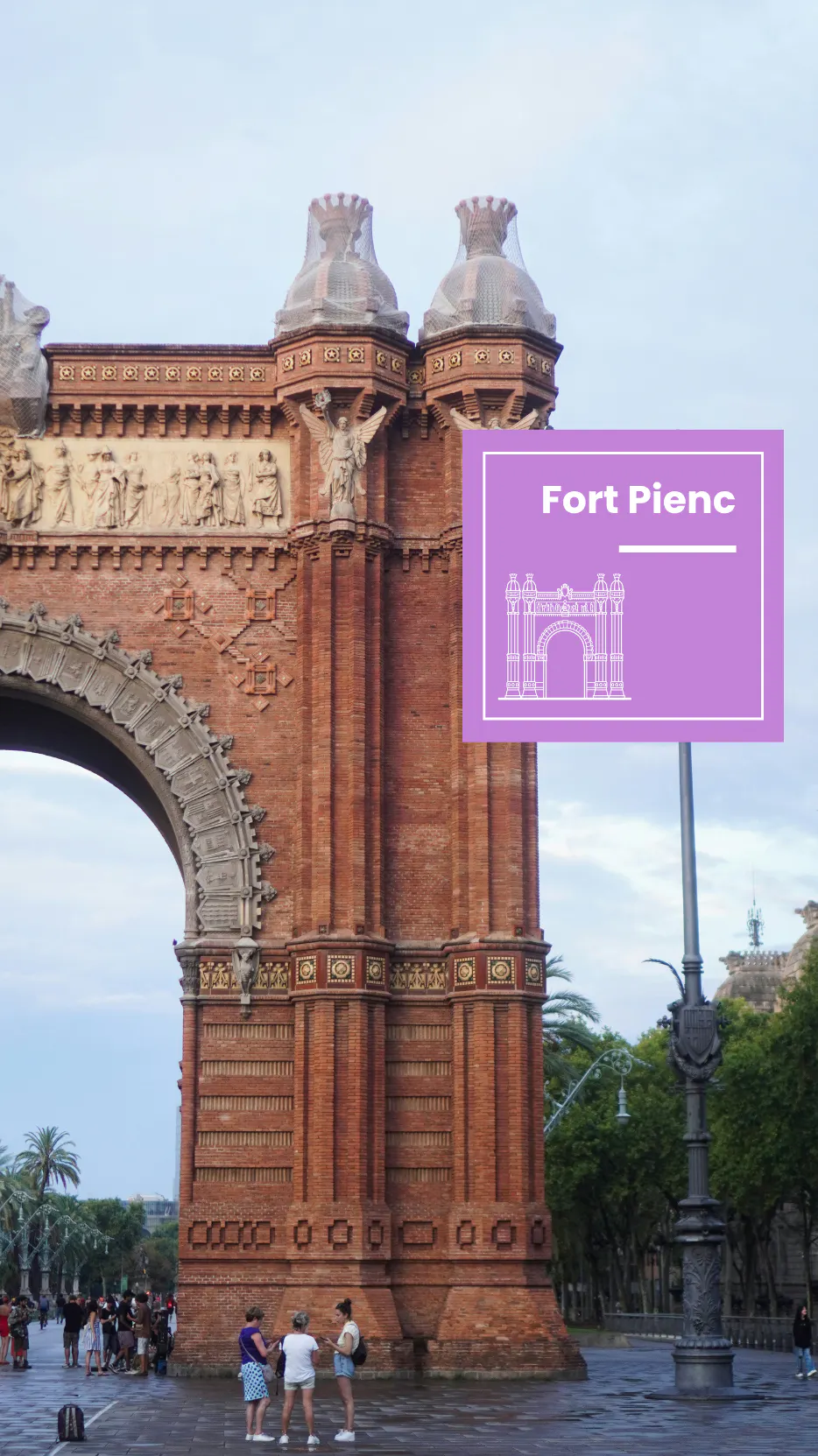
Neighbourhood Guide 2026: Fort Pienc
Discover Fort Pienc, one of Eixample’s most practical and well-connected neighbourhoods. With its mix of traditional architecture, local shops, cultural venues, green spaces and excellent transport links, it offers a residential lifestyle close to the centre while remaining less touristy than many other central areas of Barcelona.

Neighbourhood Guide 2026: El Gótico
Where Barcelona’s Historic Soul Meets Contemporary City Life
What €500,000 Buys You in Barcelona Compared to London, New York and Hong Kong
Discover what €500,000 can buy in Barcelona compared to London, New York, Hong Kong and other global property markets, and what this means for buyers in 2026.

Buying Property in Spain as a Non-Resident | 2026 Guide
Expert guide to buying a home in Spain in 2026. Learn about NIE, 12% taxes, non-resident mortgages, and legal steps with MySpot Barcelona.

Barcelona Sales Stock 2026: Why Supply is Rising in a "Tensioned" Market
While Spain's national housing supply drops 10%, Barcelona sees a 6% increase in stock. We analyze why "price exhaustion" is creating a new strategic window for buyers and investors in 2026.

The Psychology of the First 90 Seconds: How to Prep Your Barcelona Home for Buyers
First impressions are everything. Discover the staging techniques and presentation shifts we use to captivate buyers within the first moments of a viewing.
The 2026 Guide to Rental Contracts in Catalonia: 11 Essential Clauses for Owners and Tenants
Navigating the 2026 rental market in Barcelona requires technical precision. Learn the 11 essential clauses every landlord and tenant needs for a secure agreement.

Barcelona Real Estate 2026: How 203 International Tech Hubs are Redefining Property Investment
Catalonia now hosts 203 international tech hubs driving €4.1B in impact. Discover why Barcelona real estate is the top choice for investors and tech expats in 2026.

Neighbourhood Guide 2026: El Coll
Where Hillside Nature Meets Urban Ease
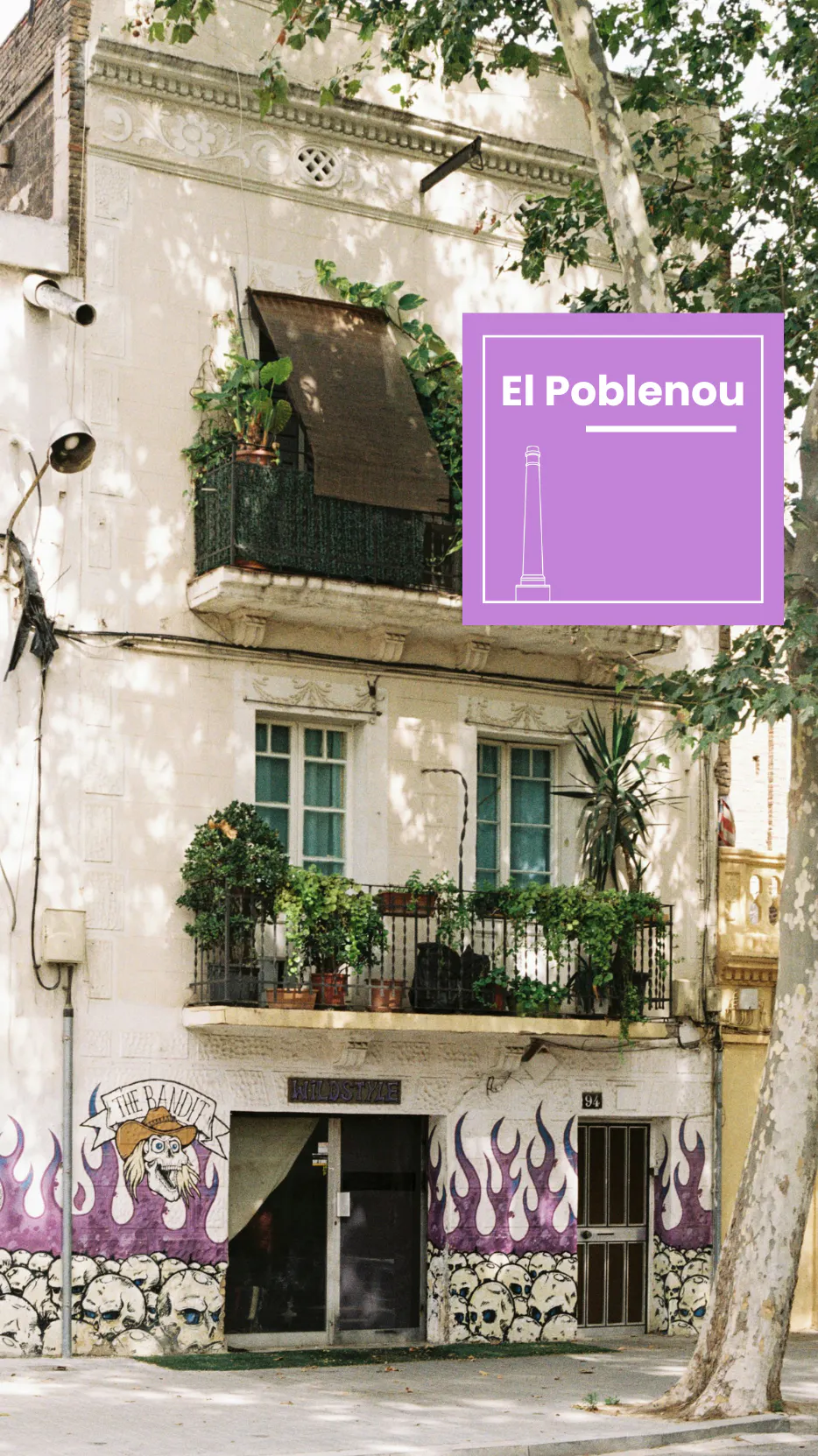
Neighbourhood guide 2026: Poblenou
A neighbourhood characterised by technological innovation and a Mediterranean lifestyle, just steps from the sea.

Mapping Barcelona’s €3,850 Price Spread: Local Value Pockets in a Record Market
With Barcelona's city average hitting an all-time high of €5,243/m², navigating the property market requires hyper-local tracking. See how all ten districts break down right now.

What Happens If Your Arras Contract Expires Before You Buy?
What happens if your arras contract expires before completion in Spain? Learn about extensions, penalties, mortgage delays and what buyers should check before signing.

Is 2026 a Good Time to Buy Property in Spain?
Is 2026 a good time to buy property in Spain or should you wait? We examine prices, mortgage rates, limited supply and what this means for buyers in Barcelona and Catalonia.
Fotocasa Reports Barcelona Rents Down 22.3%: But Is Renting Really Getting Cheaper?
Barcelona rent prices fell 22.3% year-on-year in Fotocasa’s July 2026 index, but Idealista shows a different picture. We explain what is really happening in the Barcelona rental market.

Inside FIABCI: How Global Real Estate Connections Benefit Local Clients
What does FIABCI membership actually mean for property clients? We look at how international real estate connections, referrals and market exchange can benefit buyers and sellers in Barcelona.
Beyond the Floor Number: A Barcelona Property Guide
Buying an apartment in Barcelona? Discover what bajo, entresuelo, principal and ático mean, and how floor level affects light, noise, accessibility and property value.
Buying Property in Catalonia? Why the New Rent-Control Map Matters
Catalonia is proposing changes to its rent-control map, with 53 municipalities potentially entering and 22 leaving the system. We explain what this could mean for property buyers and investors.

Spain’s Youth Rental Bonus Reaches Less Than 1% of Young Renters
Why does the 2026 Youth Rental Bonus reach less than 1% of young renters in Spain? We analyze the structural failures and the real impact on the housing market.

Good reasons for buying property in Catalonia and Barcelona
People have many reasons to stay in Barcelona and Catalonia. Here are some of them.

The importance of an exclusive contract
Why is a sole representation contract important, for the agency and for the owner? A sole representation (exclusive) sales contract is highly requested by agencies, but often rejected and misunderstood by owners. We explain why this approach is crucial for a successful sales process and what benefits it holds for the owners.

What is the "Golden Visa" and how is it obtained?
With the “Golden Visa” you can obtain Spanish residency by purchasing a property. We guide you through the process step by step.

Neighbourhood Guide: Eixample Dreta
Where Modern Elegance Meets History

What does a Real Estate Personal Shopper do?
When buying real estate the only one you can trust is your gut. Or is there someone else?

New Housing Purchase Limits in Catalonia: A 2026 Guide for Buyers
Explore the 2026 Catalan housing law changes. Learn about purchase limits in 271 stressed zones, the "Large Holder" veto, and exemptions for private buyers in Barcelona.

MySpot Barcelona Joins Locallista: Strengthening Our Community Ties
MySpot Barcelona is proud to announce our official partnership with Locallista, the premier vetted directory for international residents in Barcelona. We’re joining a community of trusted professionals to provide more transparency and support for expats navigating the Barcelona property market.

Neighbourhood Guide: Gràcia
Where a Bohemian Village Spirit Meets Urban Life

Neighborhood Guide: Sant Antoni
Where Historic Charm Meets Modern Flair

Neighbourhood Guide: Barceloneta
Where a Vibrant Tide Meets Tradition

What Is the Beckham Law in Spain and How It Affects Buying Property in Barcelona
Barcelona attracts international professionals for its lifestyle and business opportunities. The Beckham Law is a key factor, influencing not only taxes but also housing and property decisions when relocating to Spain.

Barcelona Rental Market 2026: Why Prices Fell 3.7% While Spain Hit Historic Highs
Rental prices in Spain hit a record €15/m2 in Q1 2026, but Barcelona saw a 3.7% decrease. Discover what this means for landlords, tenants, and investors in Catalonia.
Spain Housing Market 2026: Property Prices Expected to Rise Between 6% and 9%
Buying Property in Spain in 2026: Demand and Limited Supply Push the Spanish Real Estate Market Up

5 Reasons to Trust a Real Estate MLS in Your Next Transaction
Searching for or selling a property can be a challenging process full of uncertainty. However, one key tool is transforming the real estate market in Spain: the MLS (Multiple Listing Service). In this article, we will explore the 5 reasons to trust a real estate MLS in your next transaction and how this network can make a difference.

A Guide to Fees and Taxes for House Buyers in Catalonia
Aspiring house buyers in Catalonia should be well-informed about the fees and taxes involved in the property purchase process. The Property Transfer Tax (ITP) applies to second-hand properties, while the Value Added Tax (IVA) is applicable to newly constructed or extensively renovated properties. Notary and registry fees, along with legal and administrative expenses, are crucial components of the overall cost. Additionally, buyers should be aware of the potential Stamp Duty for mortgage-related documents.

Step by step process of buying property in Spain
Buying a property in Spain can be a straightforward process if you follow the necessary steps.

Guide to Fees and Taxes for House Sellers in Catalonia
Let's explore the key charges that house sellers should consider when selling a property in Barcelona or Catalonia

Our Valuation Methodology: Expert valoration for informed decisions.
Understanding the real market value of your property. To know the real market value of a home, it is essential to know how to calculate that figure before putting it up for sale. This implies having a detailed study of the market to make the correct decisions and achieve the objectives sought by the seller.

To new beginnings
Here we are. Here we start.

The rental price index in Catalonia 2024
The rental price index came into force in Catalonia on March 13, 2024. What does this mean for tenants and landlords? We explain the regulations and effects of the rent index on tenants and landlords.